

Best Cordless Drill for Beginners: How to Choose Your First Drill
Finding the best cordless drill for beginners is the single most useful tool decision a new homeowner makes. A good drill hangs shelves, builds furniture, fixes floorboards, and assembles almost everything that arrives in a flat box. A bad one is heavy, dies halfway through a job, and sits in a cupboard unused.
This buying guide explains what to look for, in plain language. You do not need to know tool jargon to buy well. You need to know four things: voltage, battery, chuck size, and weight. Get those four right, and almost any reputable drill will serve you well for years.
Before you buy, think about what you will actually do with it. Hanging a picture needs very little power. Building shelves needs more. Drilling into brick needs a hammer setting. This guide helps you match the drill to the jobs you will really do, not the jobs in the advert.
Table of Contents
What Is a Cordless Drill, and Why Start There?
A cordless drill runs on a rechargeable battery, so you can carry it anywhere in the house without a power cord. That freedom is why most beginners start with a cordless drill rather than a corded one.
Most beginner drills are drill-drivers. They drill holes and drive screws, and most have a clutch that stops the screw at the right depth. Some also have a hammer setting for masonry. For a first drill, a drill-driver is the right choice for almost every home job.
Voltage: How Much Power Do You Need?
Voltage is the first number on the box, and it is the easiest to misunderstand. Higher voltage usually means more power, but it also means a heavier drill and a higher price.
Here is a simple guide to choosing the best cordless drill for beginners by voltage:
- 12 volts: light, small, and easy to hold. Good for hanging pictures, assembling furniture, and light screwdriving. Best if you have small hands or want the lightest drill.
- 18 volts (or 20 volts max): the most popular choice for beginners. Strong enough for shelves, decking, and drilling into wood and plasterboard. This is the sweet spot for most new homeowners.
- Higher voltages: made for trade work and heavy drilling. Most beginners do not need them, and they are heavier and more expensive.
For most homes, an 18-volt drill-driver is the best cordless drill for beginners. It handles everyday jobs without being too heavy to hold overhead. Do not buy the highest voltage just because it sounds better. A drill you find too heavy will stay in the cupboard, and a heavy drill is harder to control.
Battery: The Part That Decides How Long You Can Work
When you compare the best cordless drill for beginners, the battery is the part that decides how long you can work. Two things matter: battery type and how many batteries you get.
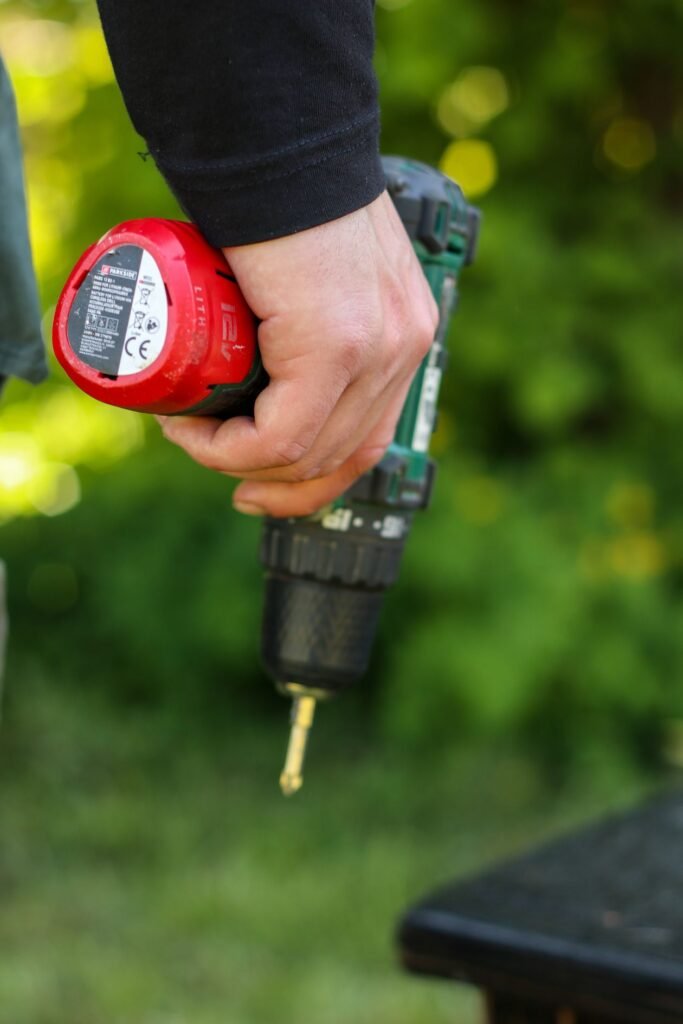
Almost all modern drills use lithium-ion batteries. They hold their charge for months and charge quickly. Avoid older nickel-cadmium batteries if you see them on sale: they are heavier and lose charge when stored.
Check the amp-hour (Ah) rating. A 2.0Ah battery is lighter and fine for short jobs. Buy a kit with two batteries if you can: one charges while you use the other, so you never have to stop halfway through a job.
Chuck Size: What the Drill Can Hold
The chuck is the part at the front that grips the drill bit. Chuck size tells you the biggest bit the drill can hold.
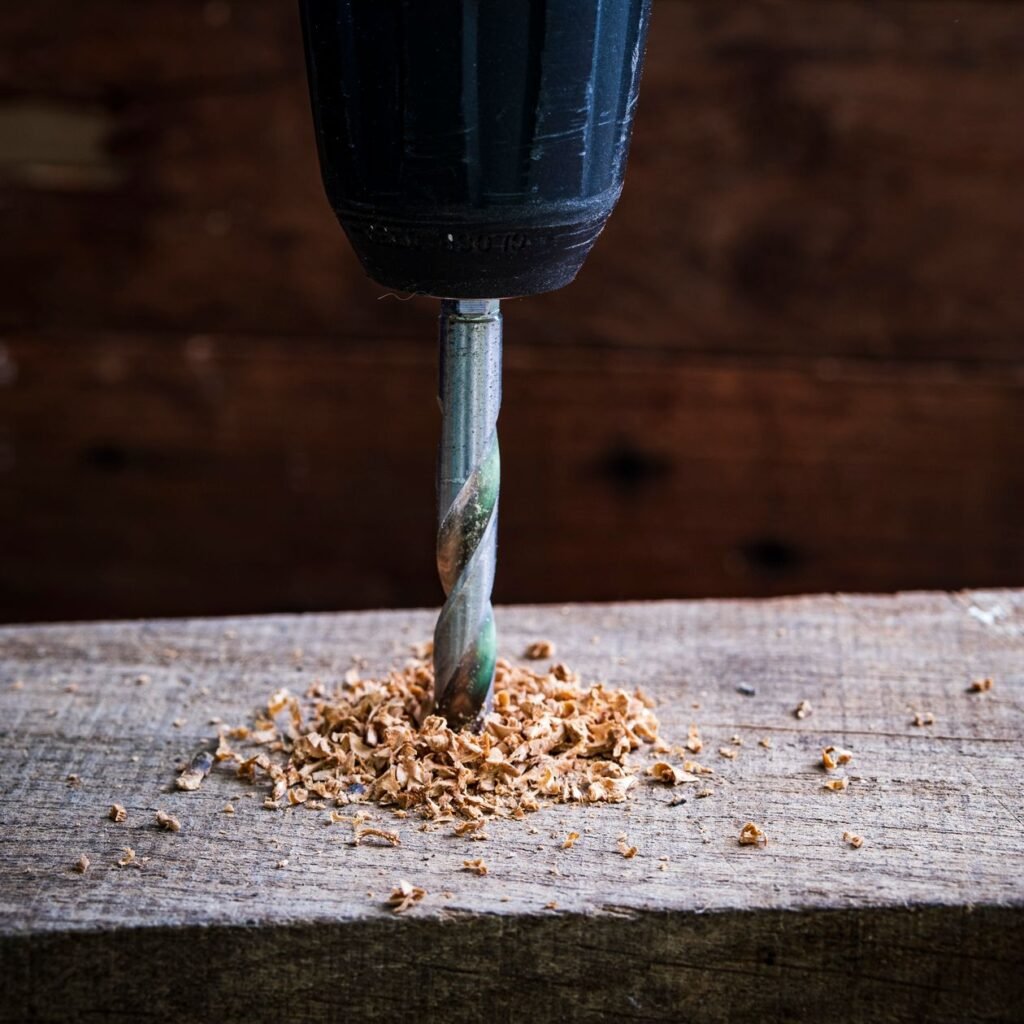
Most beginner drills have a 10mm (3/8-inch) or 13mm (1/2-inch) chuck. For a first drill, a 13mm keyless chuck is the best choice: keyless means you tighten it by hand, with no key to lose, and it holds larger bits for bigger jobs. Check that the chuck runs straight — hold the drill, spin it slowly, and watch the bit. If the bit wobbles, the chuck is poor quality.
Weight and Comfort: Hold It Before You Buy
Weight matters more than most beginners expect. A drill that feels fine for 30 seconds in a shop can feel very heavy after 10 minutes of drilling above your head. The best cordless drill for beginners is one you can hold comfortably with one hand. If you can, hold the drill in the shop before you buy it and check the balance, the grip, and the trigger. Look for a variable-speed trigger and a built-in LED light, which lights up the spot you are drilling inside cupboards and under sinks.
How Much Should a Beginner Spend?
For a first cordless drill, expect to pay for a reputable brand’s entry-level kit with one or two batteries and a charger. The cheapest drill in the shop is rarely good value: it will have a weak battery and a poor chuck, and you will replace it within a year.
A better rule is to buy the cheapest drill from a reputable brand, not the cheapest drill in the shop. Reputable brands have spare batteries and parts. If you buy into a battery system, you can add other tools later that use the same battery, which saves money over time.
How to Use Your First Drill Safely
A drill is safe when you use it properly. Build these habits from day one: wear safety glasses, clamp the work instead of holding it by hand, start at low speed until the bit bites, keep the drill straight, and let the drill do the work instead of pushing hard. If the drill stalls, release the trigger and check the bit. For a step-by-step first project, try our guide on how to build floating shelves, which uses a drill, a level, and a stud finder.
Best Cordless Drill for Beginners: Final Checklist
- Choose 18 volts for most home jobs, or 12 volts if you want the lightest drill.
- Pick lithium-ion batteries, and get two if you can.
- Look for a 13mm keyless chuck that spins straight.
- Hold the drill before you buy it, and check the weight and balance.
- Make sure it has a clutch, two speeds, and a variable-speed trigger.
- Buy a reputable brand’s entry-level kit, not the cheapest drill in the shop.
The best cordless drill for beginners is not the most powerful or the most expensive one. It is the one you can hold comfortably, that lasts a whole job on one battery, and that you will actually pick up. When you compare drills, remember that the best cordless drill for beginners is the one that fits your hands and your jobs. For more on the other tools to buy first, see our guide on the 10 essential tools every new homeowner should own, and for a simple first repair with your new drill, see our guide on how to patch a hole in a wall.
Frequently Asked Questions
What voltage is best for a beginner cordless drill?
18 volts is the best choice for most beginners looking for the best cordless drill for beginners. It is strong enough for shelves and furniture, and it is not too heavy. 12 volts is better if you want the lightest drill and will only do light jobs.
Should a beginner buy a drill with one or two batteries?
Two batteries are better if you can afford them. One charges while you use the other, so you never have to stop and wait. A single battery is fine for short, occasional jobs.
What is the difference between a drill and a drill-driver?
A drill-driver does two jobs: it drills holes and it drives screws. Most beginner drills are drill-drivers. A drill-only tool cannot drive screws, and an impact driver is a different tool for heavy screwdriving.
How long does a cordless drill battery last?
A lithium-ion battery lasts for years if you store it charged and do not leave it flat for months. On a job, a 2.0Ah battery gives about 30 to 60 minutes of normal drilling, depending on the material.
Further reading: Family Handyman rounds up the best cordless drills and drivers for home and light DIY use, with battery and chuck details for each pick.